 wpadmin
While commercial aviation contracts under rising fuel prices, aerial firefighting operators are preparing for one of the most demanding wildfire seasons yet.
Jet Fuel Hit $10 a Gallon in California. Here’s Why Firefighting Fleets Don’t Care. Jet-A prices at several California airports crossed $10 per gallon this spring. Lufthansa cut 20,000 flights. Regional carriers reshuffled routes overnight. The commercial aviation industry is doing what it always does when fuel spikes: contracting.
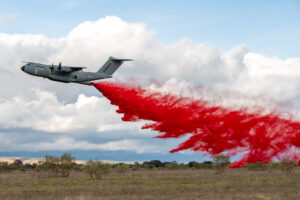
Aerial firefighting operators are doing the opposite. They’re spinning up. CAL FIRE, which fields roughly 70 aircraft across the state, confirmed that fuel cost fluctuations will not affect its operational posture heading into fire season. The agency’s language was blunt: keeping aircraft in the air is “a non-negotiable necessity.” Governor Newsom’s 2026-27 budget backs that up with $457 million allocated to wildfire resilience.
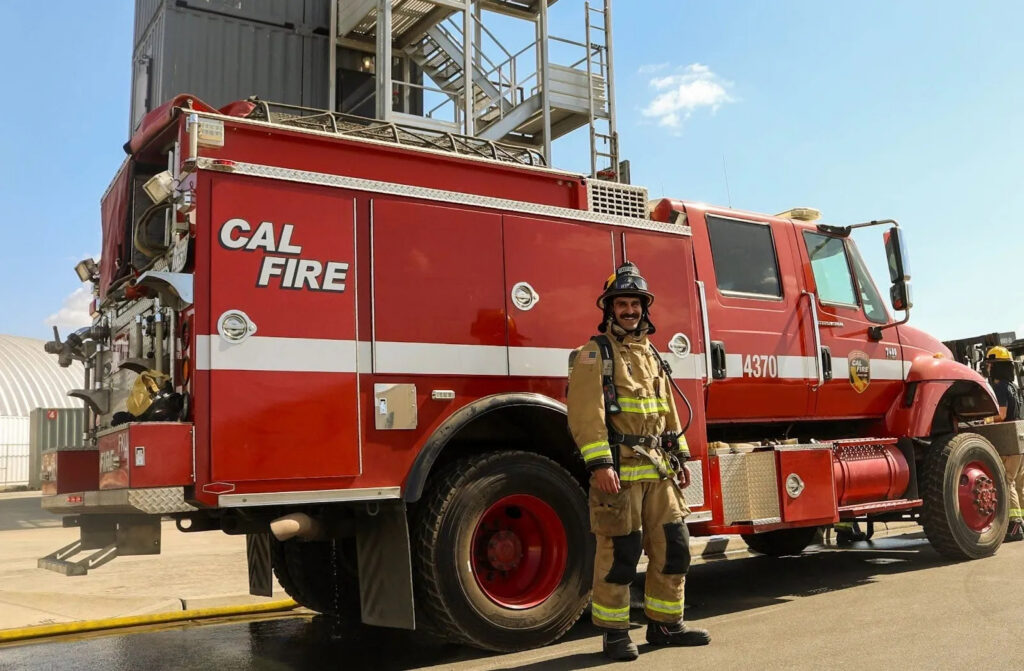
But CAL FIRE is a state agency with a state budget behind it. The more interesting question is what happens to the rest of the aerial firefighting ecosystem, the contract operators, the military surge assets, the international programs, when fuel stays elevated for a full season. The math that protects fire fleets.
Commercial aviation operates on thin margins where fuel represents 25-35% of operating cost. A sustained price spike compresses profit directly. Aerial firefighting doesn’t work that way. These fleets operate under cost-plus contracts, emergency fund authorizations, or military budget lines where the cost of not flying, an escaped fire that burns through a subdivision, dwarfs any fuel expense. CAL FIRE’s system is also designed to minimize fuel burn structurally. Aircraft are distributed across air attack bases positioned to reach emerging fires within 20 minutes. Short response distances mean less ferry time, less fuel per sortie, and faster turnaround between drops.
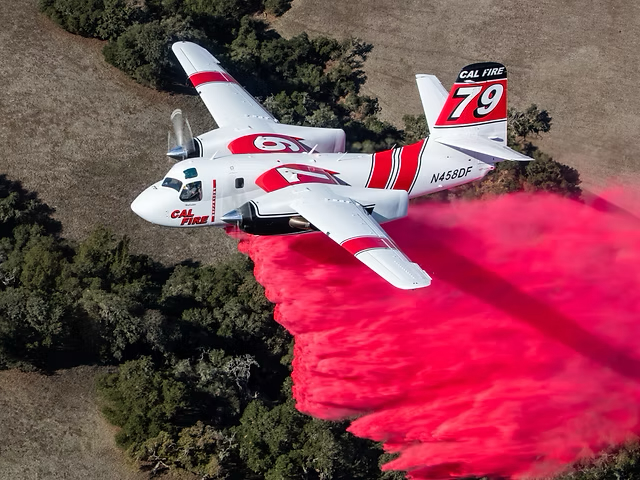
Where it gets complicatedThe vulnerability isn’t in the big state fleets. It’s in the contract tanker market and the international operators who don’t have California’s budget behind them. Countries building aerial firefighting capacity from scratch (Portugal, Greece, Romania, several Southeast Asian nations) are making procurement decisions right now that will lock in platform economics for decades. A platform that burns 30% more fuel per sortie might look fine at $4 Jet-A. At $10, that’s a different spreadsheet entirely.Theagencies that planned for fuel volatility are already flying. The ones that didn’t are recalculating..
ORIGINAL SOURCES
- KCRA: https://www.kcra.com/ (original source, video segment on CAL FIRE fuel costs)
- CAL FIRE Aviation Program: https://www.fire.ca.gov/what-we-do/aviation
- IATA Jet Fuel Price Monitor: https://www.iata.org/en/publications/economics/fuel-monitor/